
Search News
Industry Portal
Hot Articles
- How to Evaluate an NDT Inspection Company for Amusement Ride Safety ComplianceChoose an NDT inspection company for amusement ride safety compliance with proven expertise, risk-based methods, clear reporting, and reliable corrective-action support.
- How to Evaluate Ski Resort Lift Suppliers for Capacity, Terrain, and Lifecycle SupportChoose a ski resort lift supplier with confidence: compare capacity, terrain resilience, wind performance, safety planning, and lifecycle support for smarter investments.
- Amusement Ride Dynamics: How Engineers Control G-Forces, Jerk, and Rider ComfortAmusement ride dynamics explained: see how engineers manage G-forces, jerk, restraints, braking, and testing to deliver safer, smoother rider comfort.
Popular Tags
EU FDI Screening Tightens for Amusement Ride Parts
auth.
Time
Click Count
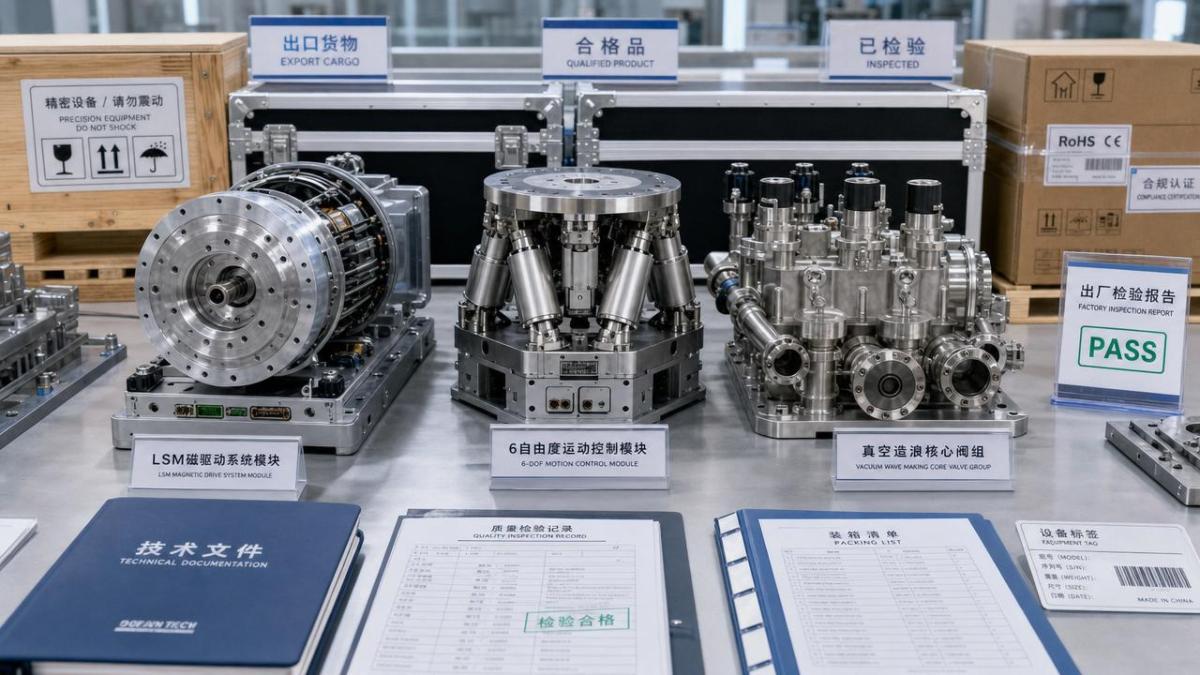
On June 9, 2026, the European Parliament adopted a new position on foreign investment screening that places artificial intelligence, critical raw materials, semiconductors, and electromechanical systems linked to strategic infrastructure within mandatory FDI review. For the amusement equipment sector, this matters less as a headline about rides in general and more as a compliance signal for high-technology components such as LSM magnetic drive systems, 6-DOF motion platform control modules, and core valve assemblies used in vacuum wave generators, especially where products may involve technologies the EU classifies as sensitive or are made by Chinese-controlled companies.
What the new screening position explicitly covers
The confirmed development is that the European Parliament, on June 9, 2026, passed a new foreign investment screening position document. According to the information provided, the document brings artificial intelligence, critical raw materials, semiconductors, and “electromechanical systems related to strategic infrastructure” into the scope of mandatory FDI screening.
The same information indicates that certain high-technology components used in amusement equipment may fall into a more sensitive review context. The examples provided are LSM magnetic drive systems, 6-DOF motion platform control modules, and core valve groups for vacuum wave generators.
It is also confirmed from the input that if such components contain technology recognized by the EU as sensitive, or if they are produced by Chinese-controlled enterprises, exports to Europe may in the future trigger additional security and technical due diligence procedures.
Where the immediate pressure points may appear
Component exporters may face a heavier pre-shipment review burden
From an industry perspective, suppliers that directly export advanced ride subsystems or control-related parts to Europe are the most exposed to this policy signal. The possible impact is not limited to customs movement itself; it may also affect how product specifications, ownership background, and technical documentation are reviewed before transactions move forward.
Ride manufacturers may need closer mapping of sensitive subsystems
Manufacturers assembling amusement equipment for the European market may need to pay closer attention to whether specific modules inside a larger system fall within categories that attract additional scrutiny. Analysis shows that the issue is not only the complete machine, but also whether key subsystems within that machine are viewed as strategically relevant or technologically sensitive.
Procurement and sourcing teams may see longer validation cycles
For procurement functions, the practical issue may be supplier screening and document readiness. If a component is sourced from a Chinese-controlled producer or includes technology that could be treated as sensitive, buyer-side review may become more detailed, particularly in qualification, contracting, and delivery scheduling.
Supply chain service providers may need stronger compliance coordination
Logistics, trade compliance, and other supply chain service providers may also be affected because additional due diligence can create more checkpoints in transaction handling. What deserves closer attention is whether commercial timelines, filing expectations, or technical disclosures change as the policy position moves toward practical implementation.
What companies should watch now
Follow the next official wording, not only the headline
The current information points to a policy position with potential downstream effects. Businesses should pay close attention to how later official language defines sensitive technology, strategic infrastructure-related electromechanical systems, and the practical triggers for mandatory review.
Identify parts most likely to draw technical questions
Companies involved in LSM magnetic drive systems, 6-DOF control modules, and core valve assemblies for vacuum wave generators should review whether these products, or sub-elements within them, could be interpreted as falling into the newly highlighted categories. The key issue is product-level exposure rather than broad assumptions about the whole amusement sector.
Prepare ownership and technical documentation early
Observably, one of the clearest operational risks is delay caused by incomplete information. Exporters, manufacturers, and suppliers should be ready to organize technical descriptions, supplier background materials, and other transaction-related documents that may be requested during added security or technical due diligence.
Separate policy signal from confirmed transaction outcome
It is more appropriate to understand this development as a compliance and transaction-risk signal rather than a confirmed blanket restriction on all amusement equipment exports. Commercial teams should therefore communicate carefully with European customers about review risk, possible timing effects, and the distinction between scope expansion and case-by-case enforcement.
Why this reads as a policy signal, not a finished outcome
Analysis shows that the importance of this news lies in scope and direction. The policy position indicates that advanced electromechanical systems can be drawn into a more formal review framework when they intersect with strategic or sensitive technology concerns. For amusement equipment businesses, the relevance comes from the technical depth of certain components rather than from the consumer-facing identity of the end product.
At the same time, the current information does not establish that every listed component will automatically face the same result in every transaction. Observably, the more careful reading is that review risk may increase for specific parts, ownership structures, and export cases, and that further official clarification remains important.
How the market should read this development today
The most balanced conclusion is that this is a meaningful regulatory signal with practical implications for cross-border supply chains tied to advanced amusement equipment components. It should not yet be treated as a final and uniform barrier across the sector, but neither should it be viewed as a purely symbolic move. For now, it is more appropriate to understand the development as an area where compliance preparation, customer communication, and continued policy tracking may become more important for affected businesses.
Basis of this article and what still needs verification
This article is based on the user-provided news title, event date, and event summary. For developments of this kind, relevant source types typically include official government or parliamentary statements, company disclosures, industry association updates, authoritative media coverage, and documents from standards or regulatory bodies.
A specific official source link was not provided in the input, so the precise source document and its subsequent interpretation still require ongoing verification. The main follow-up points to watch are whether additional official wording further defines the covered technologies, how mandatory screening triggers are applied in practice, and whether technical due diligence expectations become clearer for affected exports to Europe.
Recommended News